

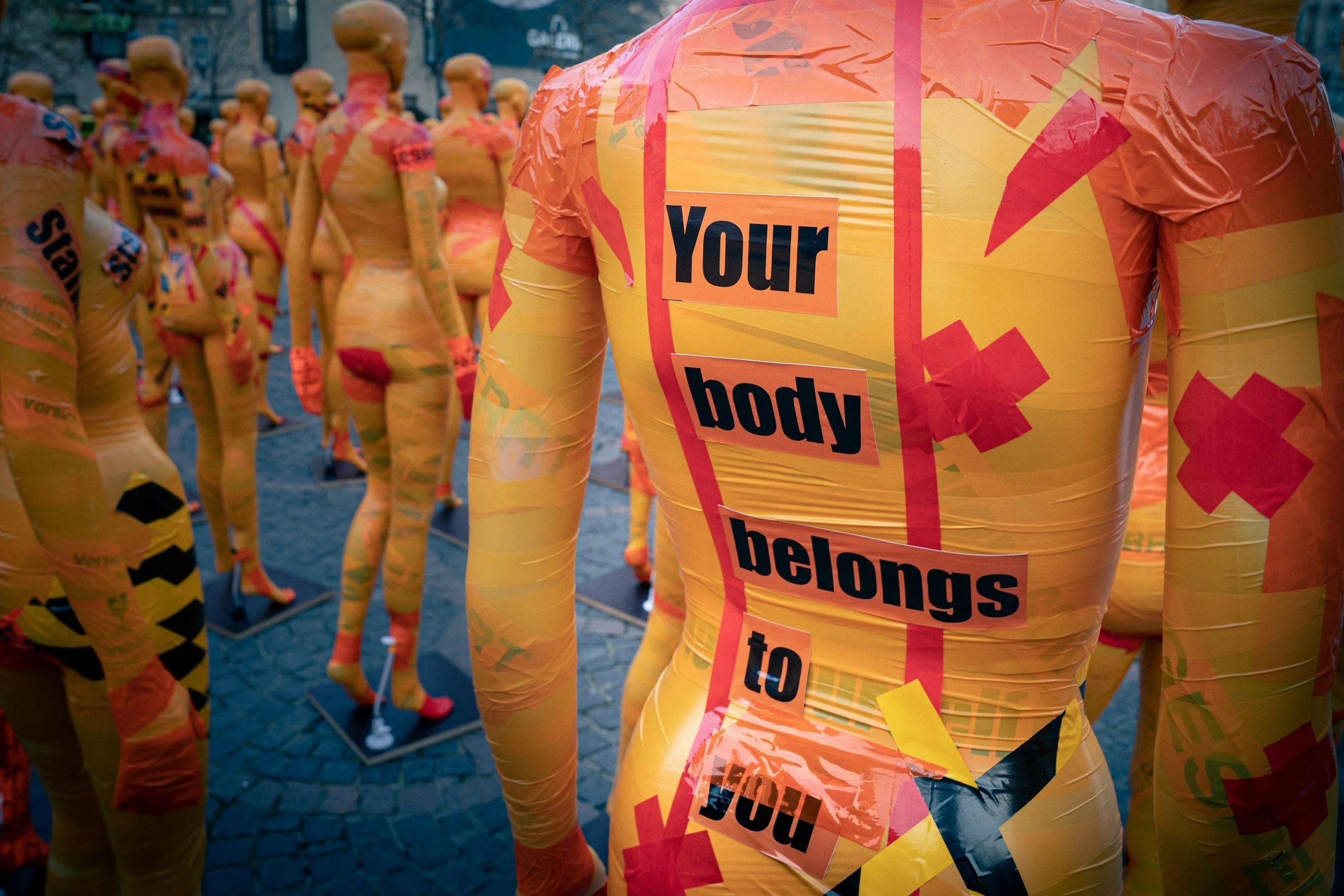
High Court rules covert recordings admissible in SA if reasonably necessary to protect lawful interests of bodily autonomy & freedom from sexual assault

SA Launches Australian-First Veterans Court Pilot
Police Powers, Trespass and Malicious Prosecution: Cosenza v State of South Australia
The Court of Appeal in Cosenza v State of South Australia [2026] SASCA 49 discusses the limits of police powers, private property rights, arrest warrants, and malicious prosecution.
![Cultivating an acquittal on Count 2 in the Court of Appeal: Kouvaris, Cirillo & Giannini v The King[2026] SASCA 48](https://images.squarespace-cdn.com/content/v1/67d4efd366c0dd37765b8d3d/1778633106536-U10AM5EIOJBNMIJYIZGR/unsplash-image-rQOeT6pr1CY.jpg)
Cultivating an acquittal on Count 2 in the Court of Appeal: Kouvaris, Cirillo & Giannini v The King[2026] SASCA 48
The South Australian Court of Appeal decision in Kouvaris, Cirillo & Giannini v The King [2026] SASCA 48 is a useful case for understanding the limitations of improbability reasoning.
![The High Court clarifies how to treat distress evidence in The King v Tsalkos [2025] HCA 49](https://images.squarespace-cdn.com/content/v1/67d4efd366c0dd37765b8d3d/1776669854970-8WT2QDSJXJQA0YSO7LD8/unsplash-image-rIymmvOq3P8.jpg)
The High Court clarifies how to treat distress evidence in The King v Tsalkos [2025] HCA 49
The High Court of Australia in The King v Tsalkos [2025] HCA 49 has clarified how evidence of a victim’s distress can be treated in criminal trials.
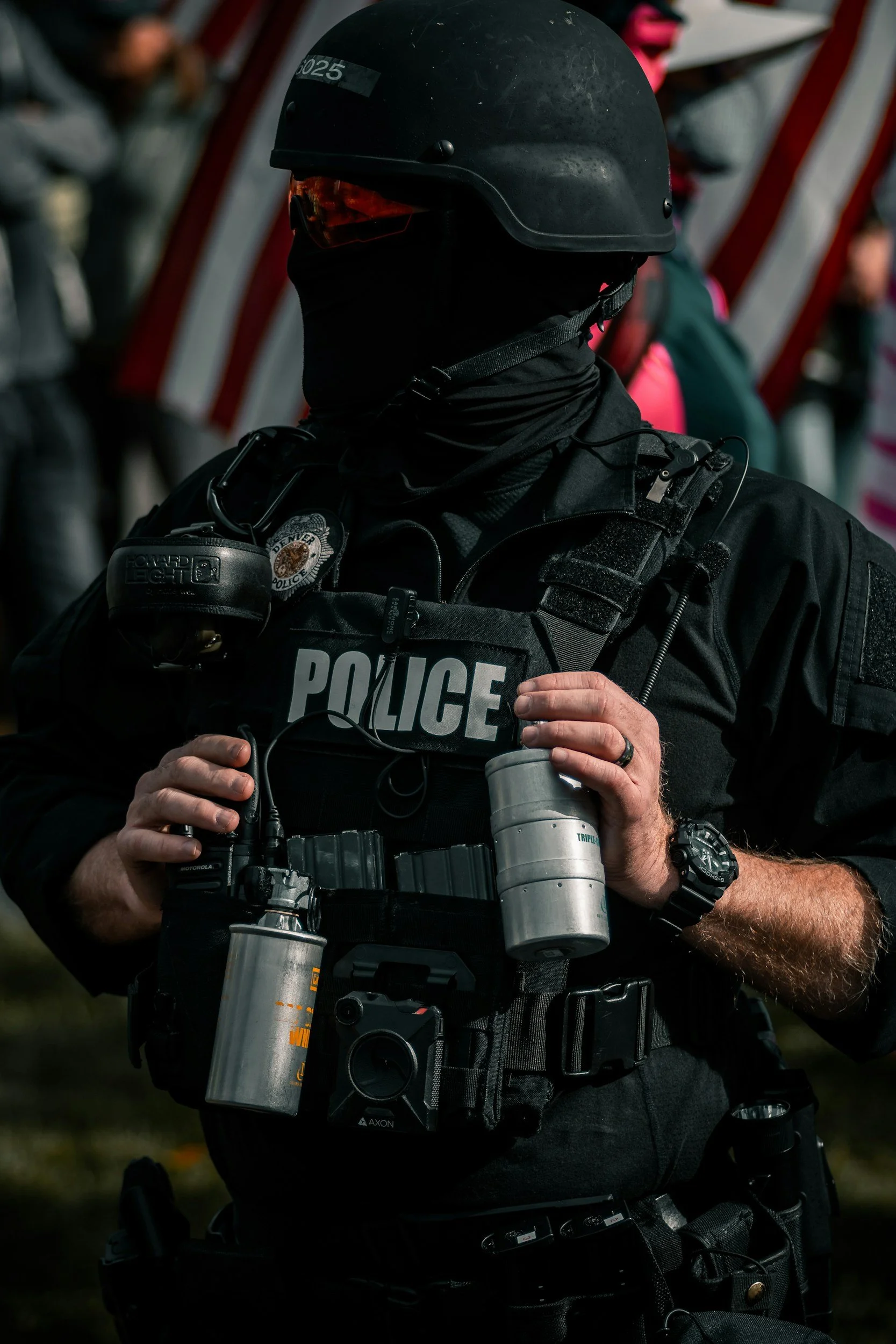
Protesters win class action against VICPOL over unlawful pepper spray use
A Victorian court has ruled police unlawfully used pepper spray on climate protesters.
High Court Backs AFP Use of AN0M App in Operation Ironside
The High Court of Australia has upheld the use of encrypted-app evidence collected by the Australian Federal Police (AFP) during Operation Ironside, ruling that messages obtained through the AN0M app were lawfully used and that Parliament’s “confirmation law” validating that evidence is constitutionally sound.
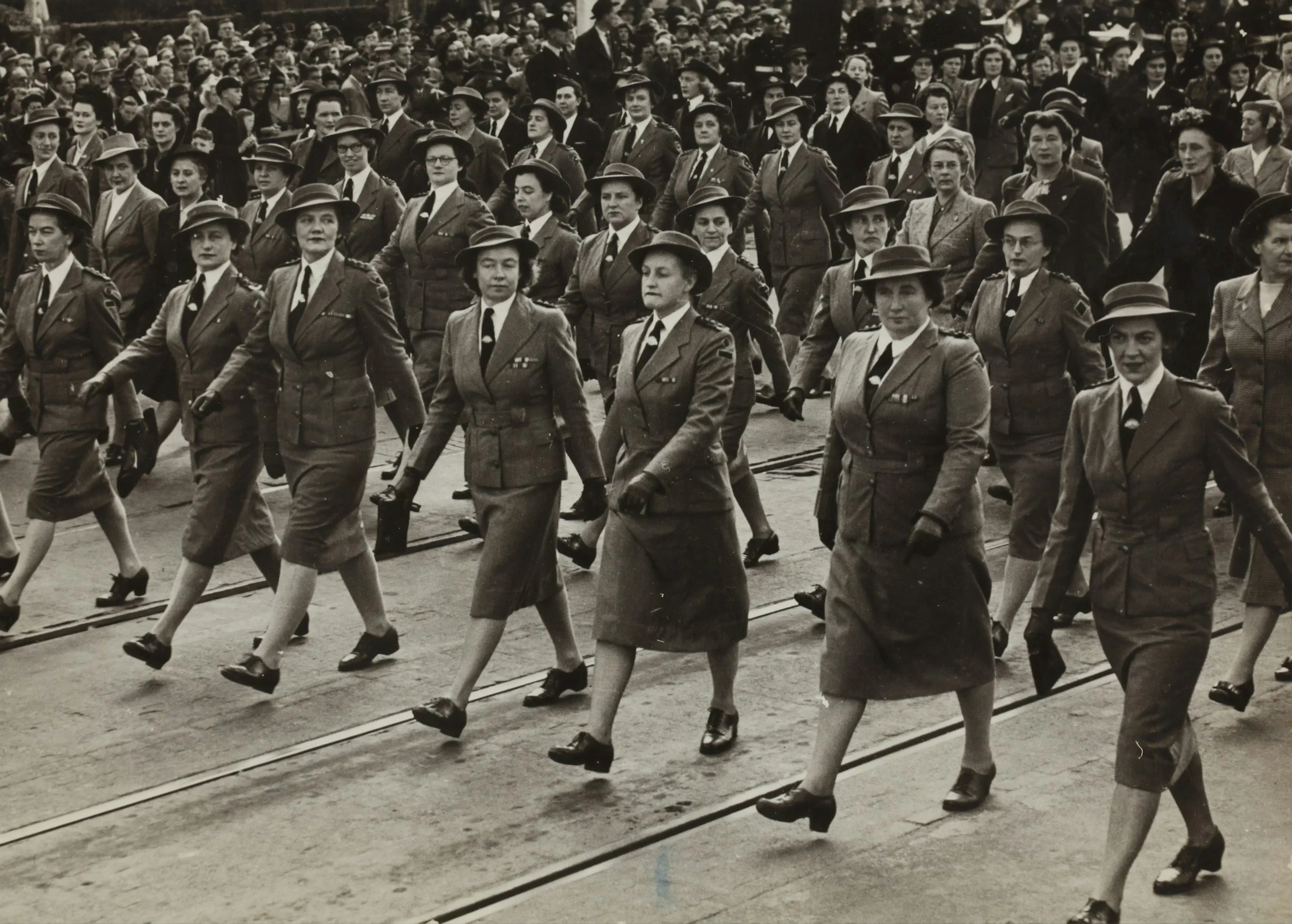
Class Action Alleging Sexual Harassment, Violence & Discrimination by Australian Defence Force
A landmark class action has been filed in the Federal Court of Australia against the Australian Defence Force (ADF), alleging sexual violence, harassment and discrimination against thousands of servicewomen.

NSW Supreme Court rules NSW Police Illegally Strip Searched & assaulted woman
A NSW woman has won $93,000 after the NSW Supreme Court ruled her strip search unlawful.

New Queensland Law Limits Use of Character References for Sex Offenders
Queensland has changed the law on using good character references in sex offence cases. Here’s what it means for offenders, survivors, and the justice system.

Then NSW Police Officer guilty of fabricating evidence; Man wins over $450,000 for wrongful imprisonment
The Supreme Court of NSW has awarded more than $450,000 in damages to Mr. Luke Moore, who was wrongfully jailed for three weeks as a result of a then NSW police officer’s false statement.

ASC rules strip searching female prisoner illegal breach of human rights
The ACT Supreme Court has determined that the human rights of an Aboriginal woman detained at the Alexander Maconochie Centre (AMC) were breached when she was subjected to two strip-searches in 2021. These searches were ruled to have violated the ACT Human Rights Act, affirming that even in custody, individual dignity must not be disregarded.

Justice Delayed: Mr Irving Wins Malicious Prosecution Case, 32 Years On
The Supreme Court of Queensland has awarded $130,000 in damages to Indigenous man Mr Terry Irving, more than three decades after he was first wrongfully charged by police.

Court finds Police Used Excessive Force on Aboriginal Man in Wheelchair
Judge Macdonald of the Darwin Magistrates’ Court found that Senior Constable Abbas used “clearly and obviously excessive, unreasonable and unlawful” force when he dragged Aboriginal man Mr Cebu from his wheelchair at the Palmerston markets.
Human Rights Behind Bars: The Duty to Protect Female Prisoners
Every person in custody retains basic human rights. Chief among them is the right to safety, dignity, and freedom from abuse. The recent $2 million lawsuit brought by Keli Lane against the NSW Government highlights how deeply these rights can be breached when systems fail to protect women behind bars.

SA Court of Appeal quashes conviction over the ‘rule against narrative’
In McClelland v The King [2025] SASCA 87, the South Australian Court of Appeal has overturned a rape conviction after finding a failure to direct the jury on an out-of-court statement left ‘obvious risks’ that the jury would ‘misuse the conversation’, to either bolster the complainant’s credibility (the ‘bolster rule’) or as evidence of uncharged acts.
![When “Inappropriate” Isn’t Always “Indecent”: Lessons from Police v Hill [2025] SASC 127](https://images.squarespace-cdn.com/content/v1/67d4efd366c0dd37765b8d3d/1758182431311-6NYEY8AXOPUBYIQPA4EY/unsplash-image-sEUAJeFn5mE.jpg)
When “Inappropriate” Isn’t Always “Indecent”: Lessons from Police v Hill [2025] SASC 127
The Supreme Court of South Australia recently handed down their decision in Police v Hill [2025] SASC 127, which highlights the fine line between “inappropriate workplace behaviour” and what the law recognises as a criminal indecent assault.
NSW Coroner Calls for Better Prison–Family Communication After Mr. Brown’s Death
A recent coronial inquest into the tragic death in custody of 28-year-old Lathan Brown has highlighted a glaring failure in how NSW Correctional Services notified his family during his final hours.

Then NSW police officers jailed for pepper-spraying, stomping and dragging woman during welfare check
Two former NSW Police officers pleaded guilty to multiple charges including assault occasioning actual bodily harm in company, common assault, and misusing a prohibited weapon.